
Central European Economies Brace for Impact Amid Middle East Geopolitical Tensions
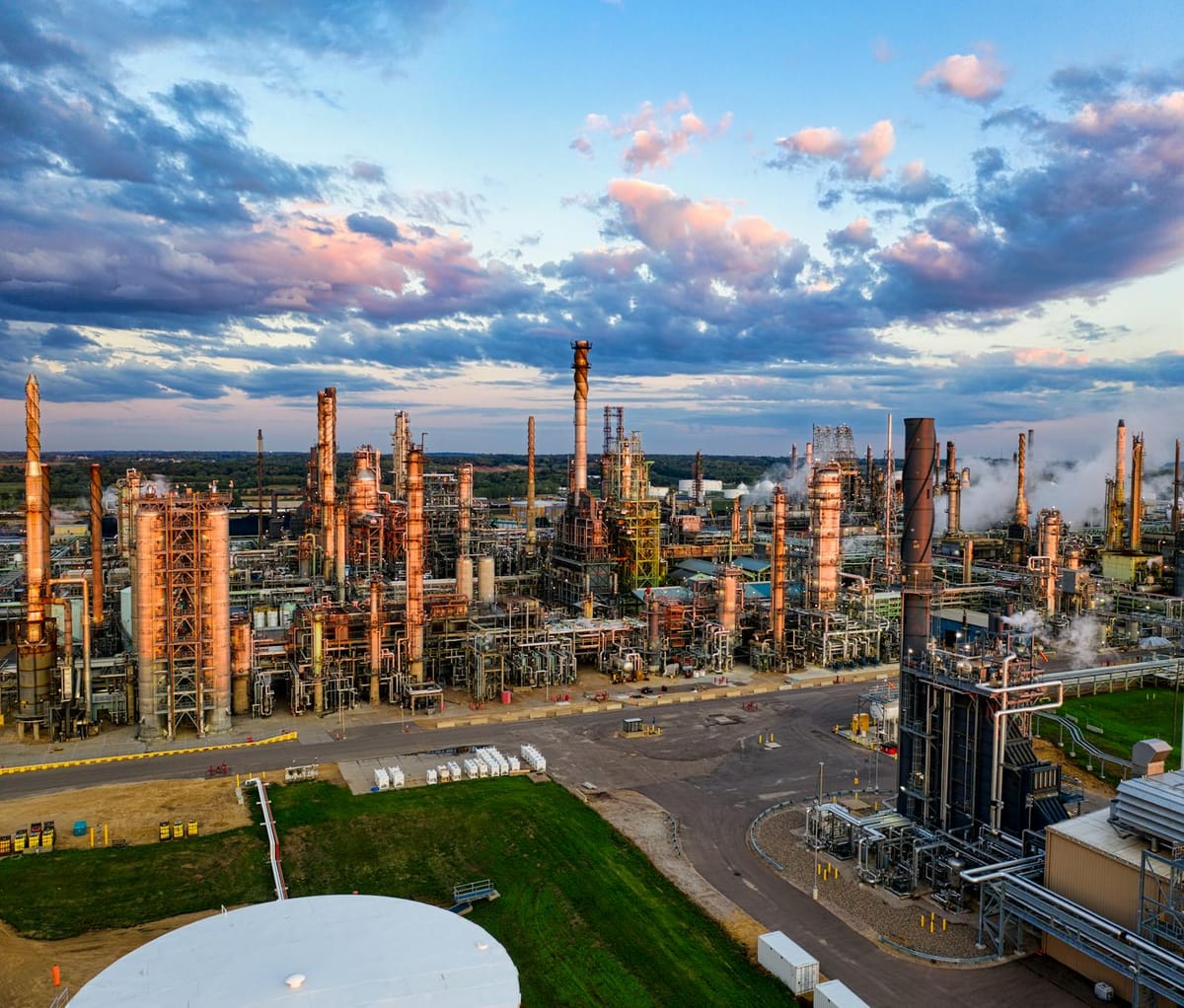
Central Europe is on high alert as geopolitical tensions in the Middle East threaten to impact the region's economic stability. With energy prices fluctuating and supply chains potentially disrupted, businesses and governments are preparing for possible economic repercussions.
Energy Prices and Supply Chain Concerns
The Middle East remains a critical source of energy for many Central European countries. The recent escalation in geopolitical tensions has led to a spike in oil prices, causing concern among nations heavily reliant on energy imports. Slovakia, Hungary, and Poland, in particular, are closely monitoring the situation as they assess the potential impact on their economies.
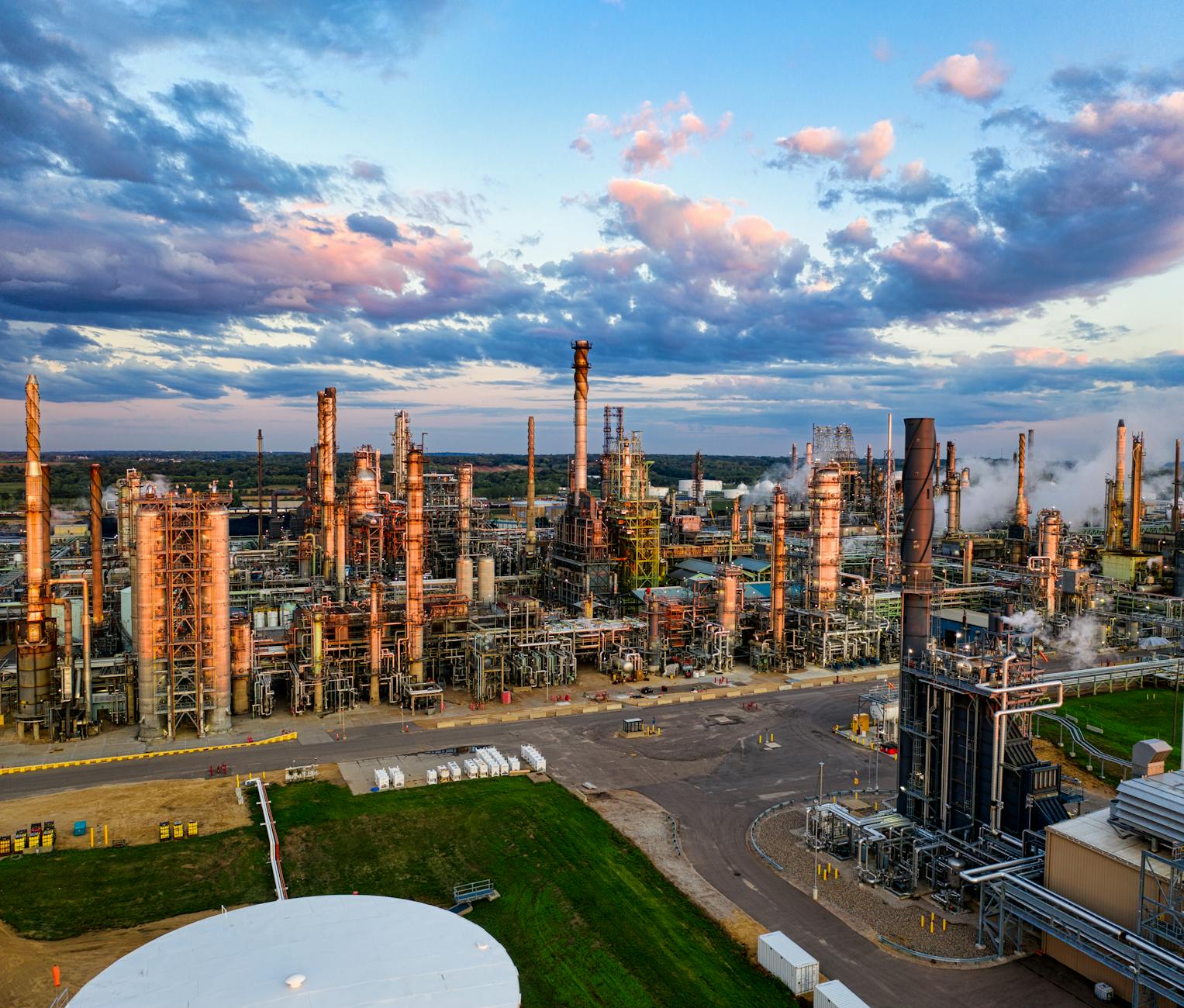
One of the main concerns is the potential disruption of supply chains. Many Central European businesses depend on raw materials and components sourced from, or through, the Middle East. Any interruption could lead to production delays and increased costs, creating a ripple effect across various sectors.
Innovation and Economic Resilience
Despite these challenges, Central Europe is also focusing on innovation and resilience to weather any economic storm. Startups in the region are increasingly turning to technology to mitigate risks associated with geopolitical instability. For example, companies are exploring alternative energy sources and more resilient supply chain models to reduce dependency on Middle Eastern imports.
Governments are also stepping up efforts to support innovation and economic diversification. Poland recently announced a new initiative to fund tech startups, aiming to bolster the country’s digital economy and reduce its reliance on traditional energy sources.

A report by the European Central Bank highlights the importance of fostering innovation to maintain economic stability amid global uncertainties. The report suggests that Central European countries should continue investing in technology and infrastructure to enhance their economic resilience.
As the situation in the Middle East evolves, Central European nations remain vigilant. By prioritizing innovation and economic diversification, they aim to mitigate potential economic shocks and secure their future in an increasingly interconnected global economy.